0452 2536 576
+91 9655 015 015
info@aasastha.com
-
-
No: 14, Gokhale Road
Opp Booma Hospital Chokkikulam, Madurai.
Contact Info
-
Address
No: 14, Gokhale Road
Opp Booma Hospital Chokkikulam, Madurai. -
Phone
0452 2536 576
+91 9655 015 015
info@aasastha.com -
Email
info@aasastha.com
© AASASTHA 2022, All Rights Reserved.
23
Apr
Laser Dentistry


What is laser dentistry?
Laser dentistry is the use of lasers to treat a number of different dental conditions. It became commercially used in clinical dental practice for procedures involving tooth tissue in 1989.
Laser dentistry potentially offers a more comfortable treatment option for a number of dental procedures involving hard or soft tissue compared to drills and other non-laser tools.
LASER stands for “light amplification by the stimulated emission of radiation.” The instrument creates light energy in a very narrow and focused beam. This laser light produces a reaction when it hits tissue, allowing it to remove or shape the tissue.
Laser dentistry is used in a variety of procedures, including:
Lasers can make dental treatments more efficient, cost effective, and comfortable. The Food and Drug Administration (FDA) has approved laser dentistry as a treatment option for several dental conditions.
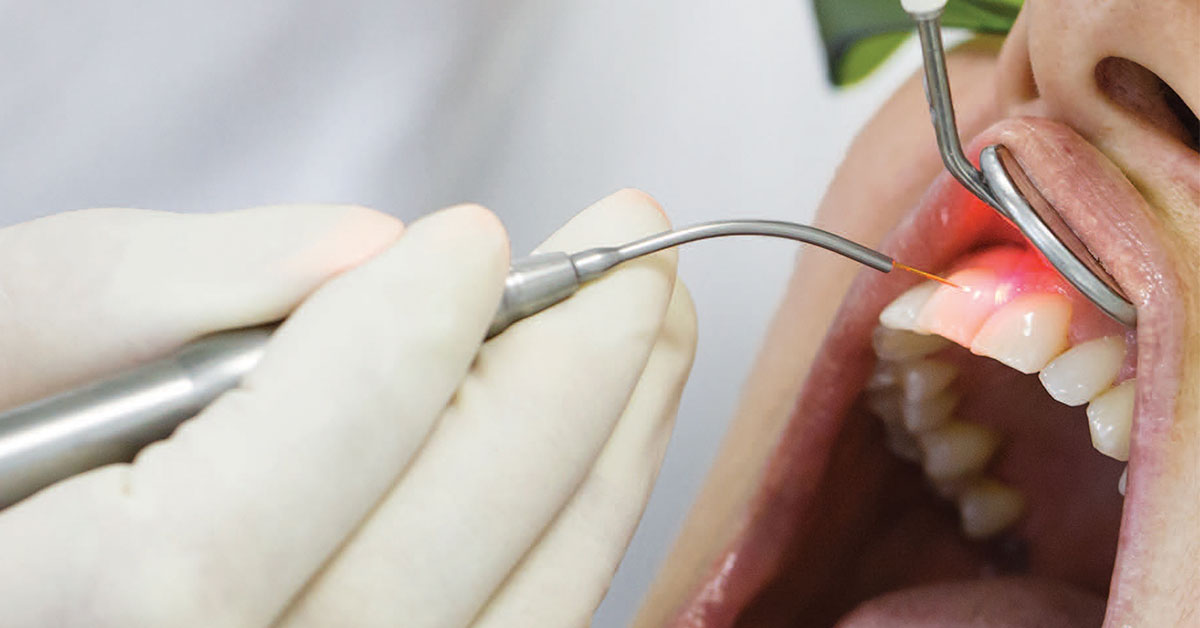
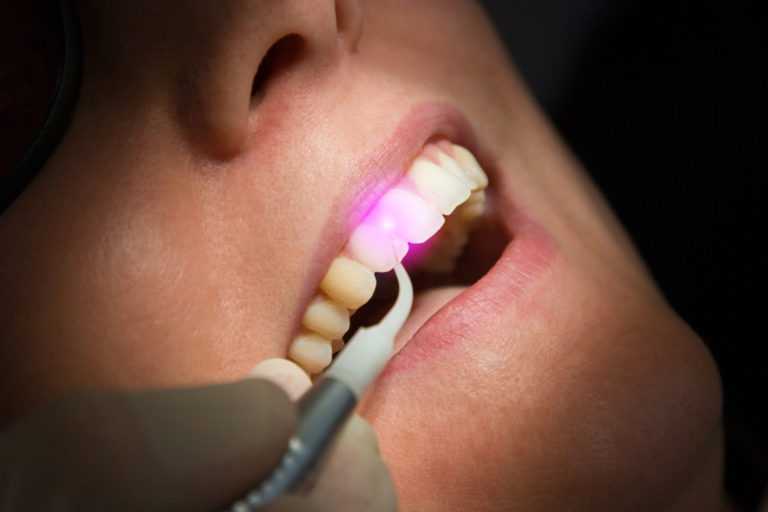
How are laser treatments performed?
The two main types of procedures used for laser dentistry are hard tissue and soft tissue procedures. Hard tissue refers to the teeth, and soft tissue refers to the gums. Common hard tissue procedures include:



aasastha